

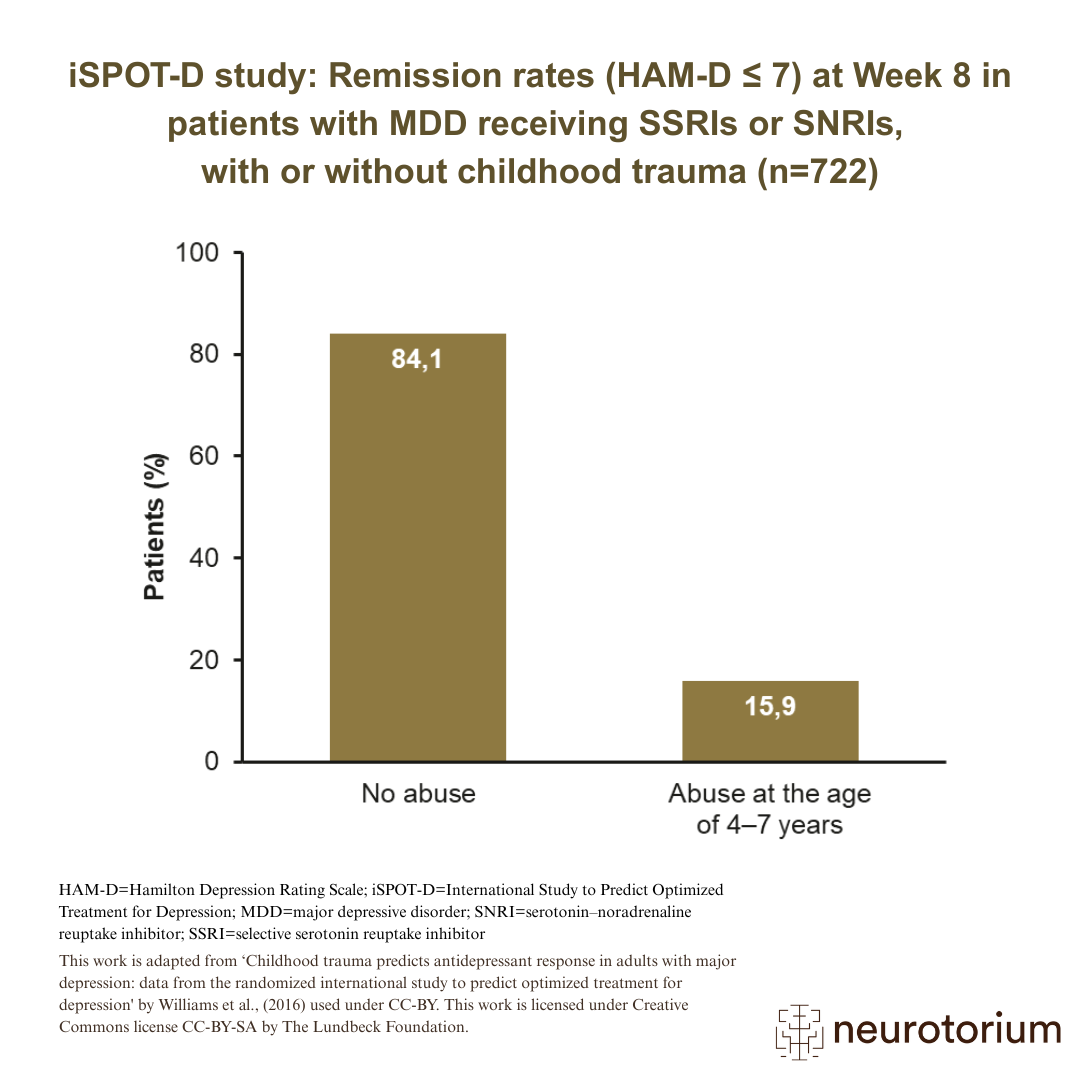
Childhood maltreatment – physical, sexual, or emotional trauma – is increasingly being recognized as a critical factor in psychiatric diagnoses, including depression1,2. People who have experienced childhood trauma typically develop psychiatric disorders earlier than those who have not experienced trauma, and can experience more severe disease and poorer treatment outcomes1.
HAM-D=Hamilton Depression Rating Scale; iSPOT-D=International Study to Predict Optimized Treatment for Depression; MDD=major depressive disorder; SNRI=serotonin–noradrenaline reuptake inhibitor; SSRI=selective serotonin reuptake inhibitor
Related content
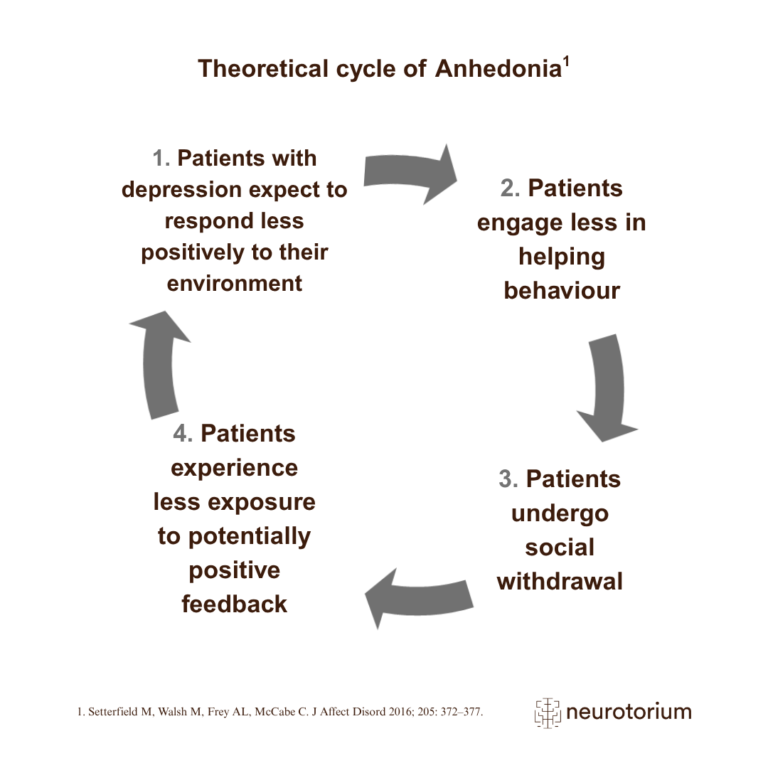
One hypothesis of the cycle of anhedonia (loss of interest or pleasure) in patients with depression is illustrated in this image; this hypothesis comes from a series of experiments performed on a sample of psychology students.
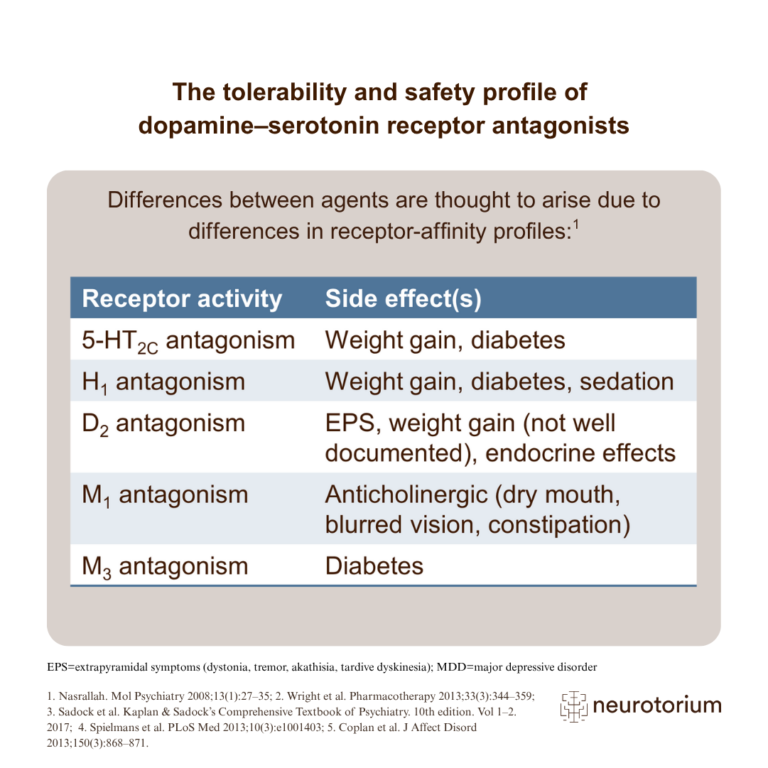
As adjunctive treatment in MDD, some dopamine–serotonin receptor antagonists are associated with sedating side effects, while others are more often associated with ‘activating’ side effects.
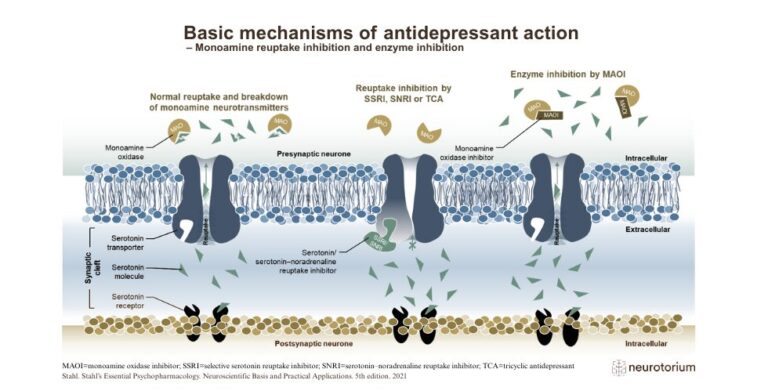
In general, antidepressants function by increasing the availability of monoamines in the synapse; these monoamines are thought to be depleted in depression.