

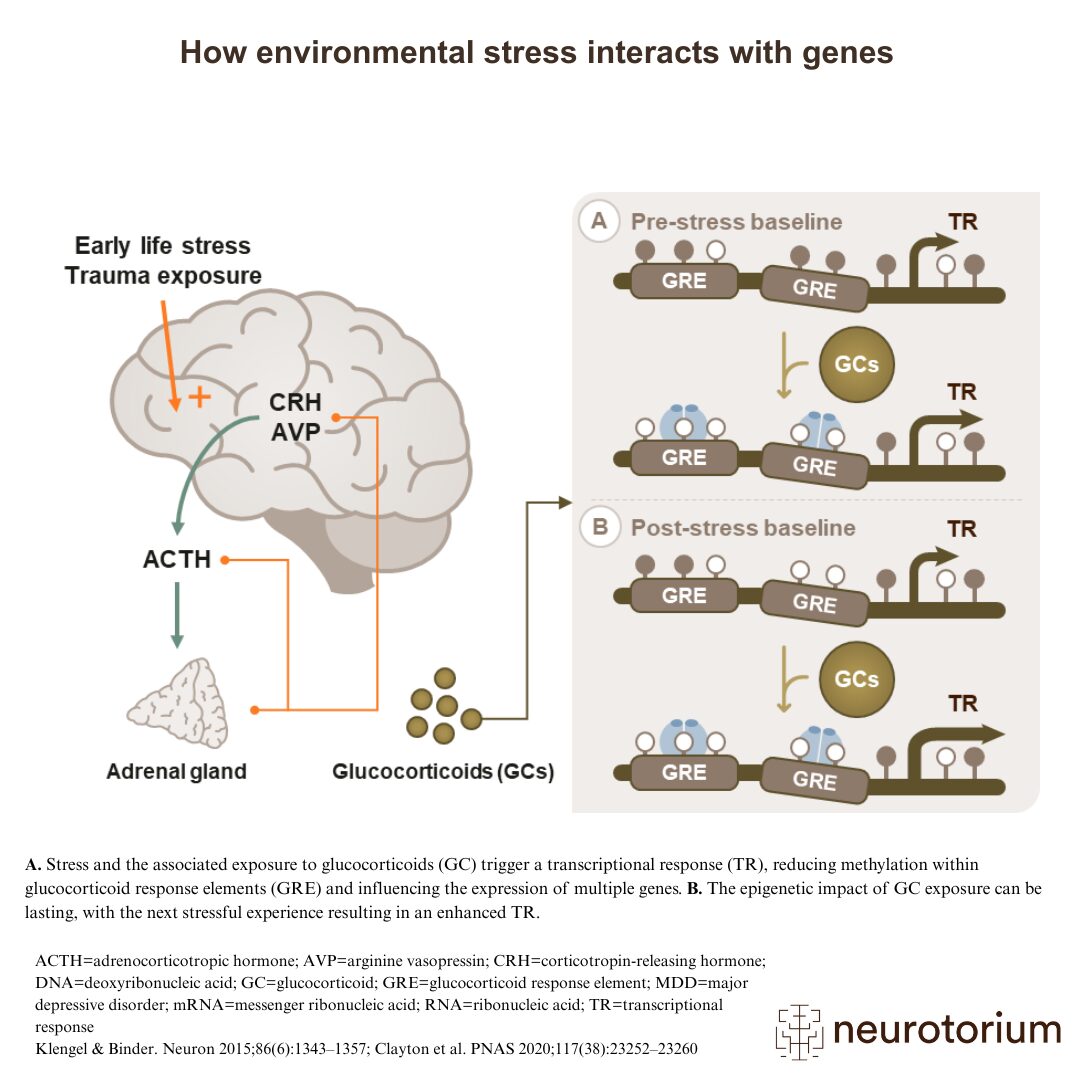
- Early life stress and exposure to trauma can interact with a person’s genetics in several ways:
- Post-transcriptional modification of enzymes that mediate epigenetic changes, e.g., modification of DNA methylation enzymes
- Modulation of the activity of epigenetic enzymes, thereby increasing or decreasing downstream changes
- Activation of proteins that bind to DNA and alter the methylation state of a gene, e.g., transcription factors
- Altered expression of non-coding RNAs, which effect changes to DNA methylation, and alter the stability of mRNA transcripts – ultimately altering the level of gene expression.1,2
DNA=deoxyribonucleic acid; mRNA=messenger ribonucleic acid; RNA=ribonucleic acid.
Related content
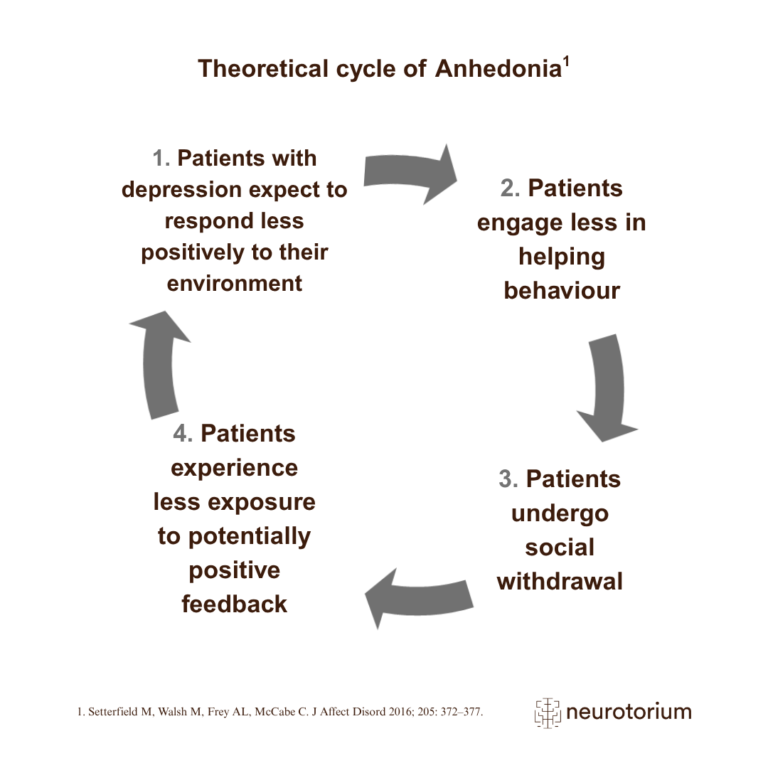
Theoretical cycle of anhedonia
One hypothesis of the cycle of anhedonia (loss of interest or pleasure) in patients with depression is illustrated in this image; this hypothesis comes from a series of experiments performed on a sample of psychology students.
29.07.2025
Depression
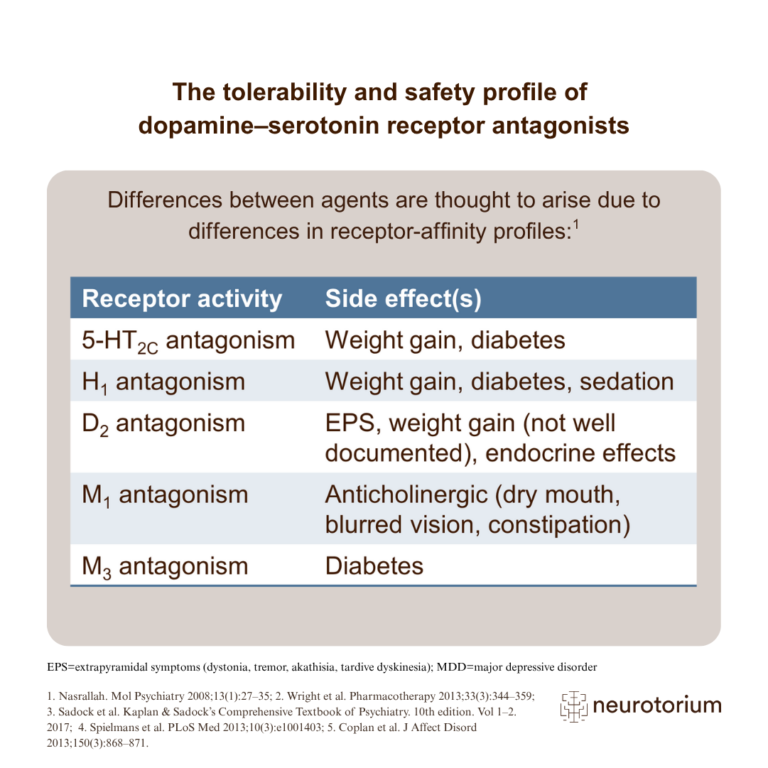
The tolerability and safety profile of dopamine–serotonin receptor antagonists
As adjunctive treatment in MDD, some dopamine–serotonin receptor antagonists are associated with sedating side effects, while others are more often associated with ‘activating’ side effects.
29.07.2025
Depression