

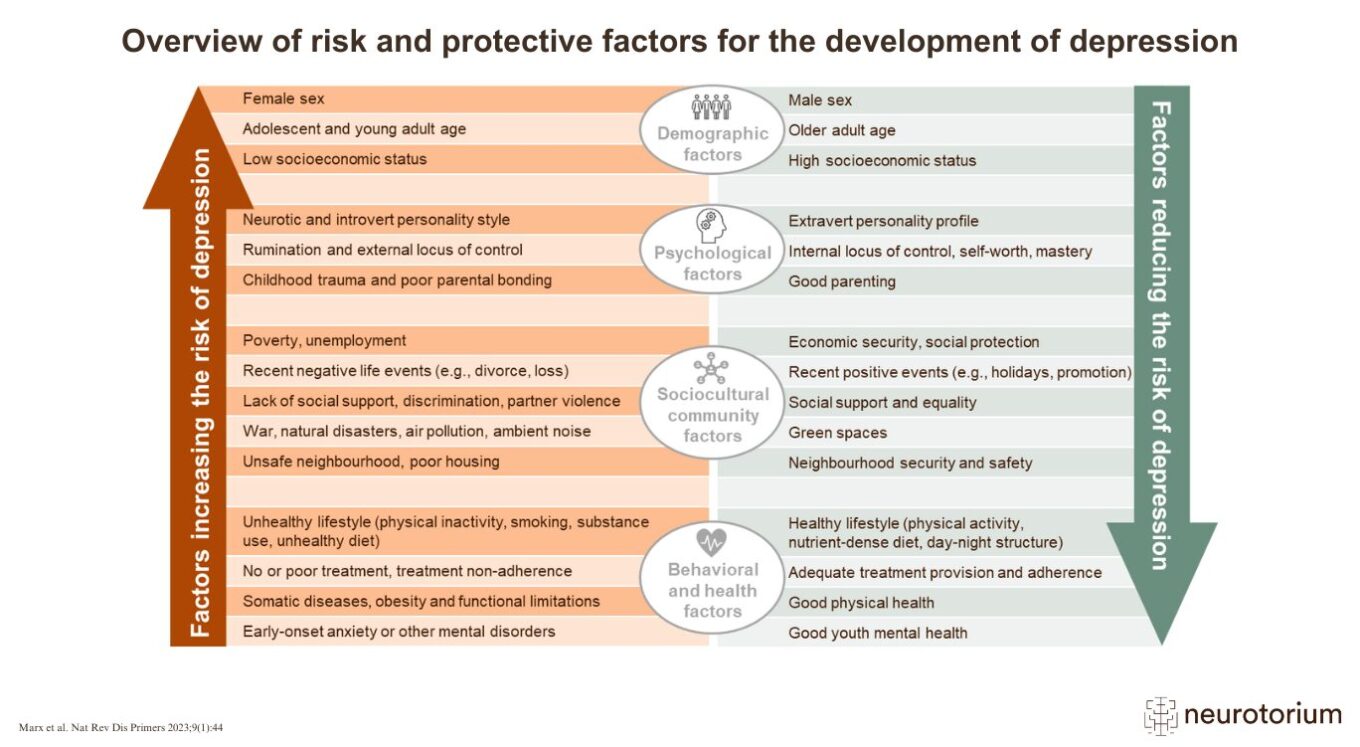
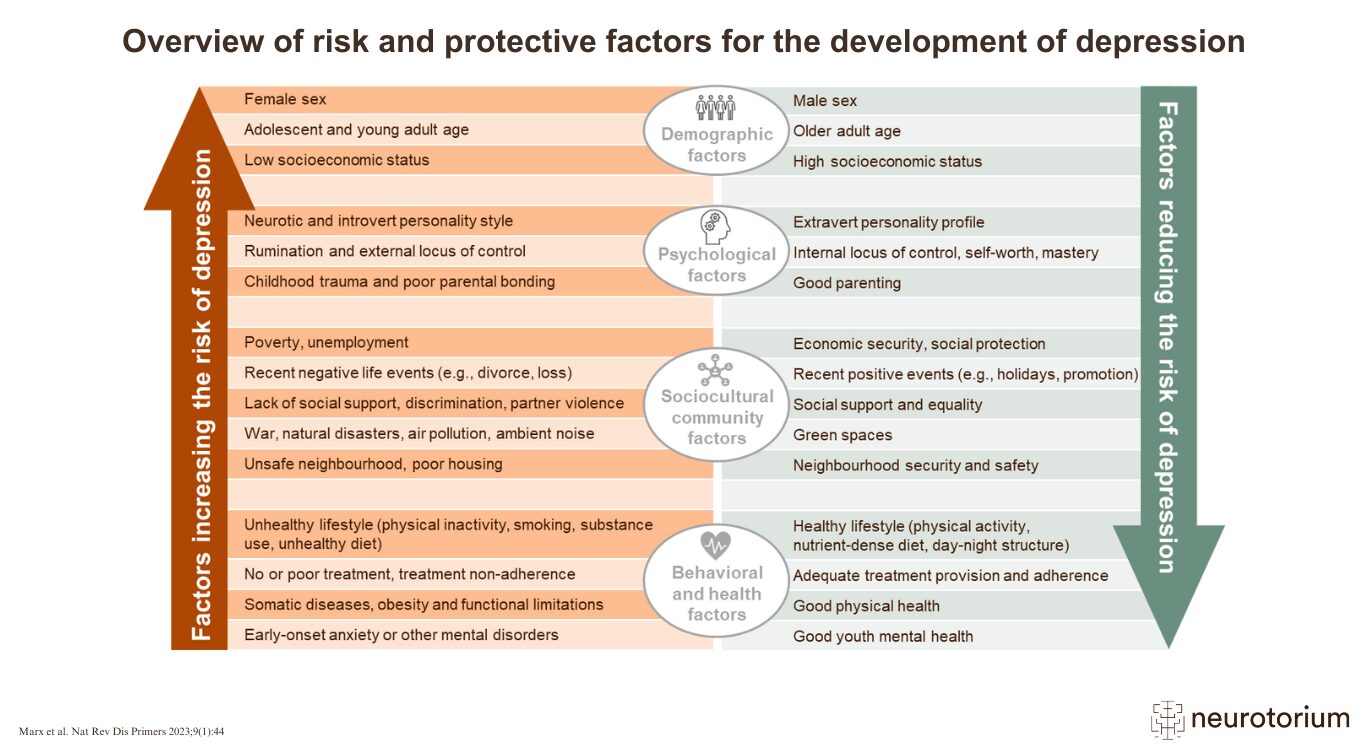
Several different, socio–cultural, psychological, demographic, behavioral, and health factors have been identified that increase or decrease a person’s risk of depression, the effects of which appear to be quite context- and time-specific.
While some risk and protective factors directly affect the pathophysiological processes of major depressive disorder (MDD), their interpretation is not straightforward.1 Moreover, the relationship of many of them with MDD is bidirectional: for example, low socioeconomic status or lack of support increase the risk of MDD, but people with MDD also often experience functional impairment and deterioration that may result in smaller social network, unemployment and lower income.1
Related content
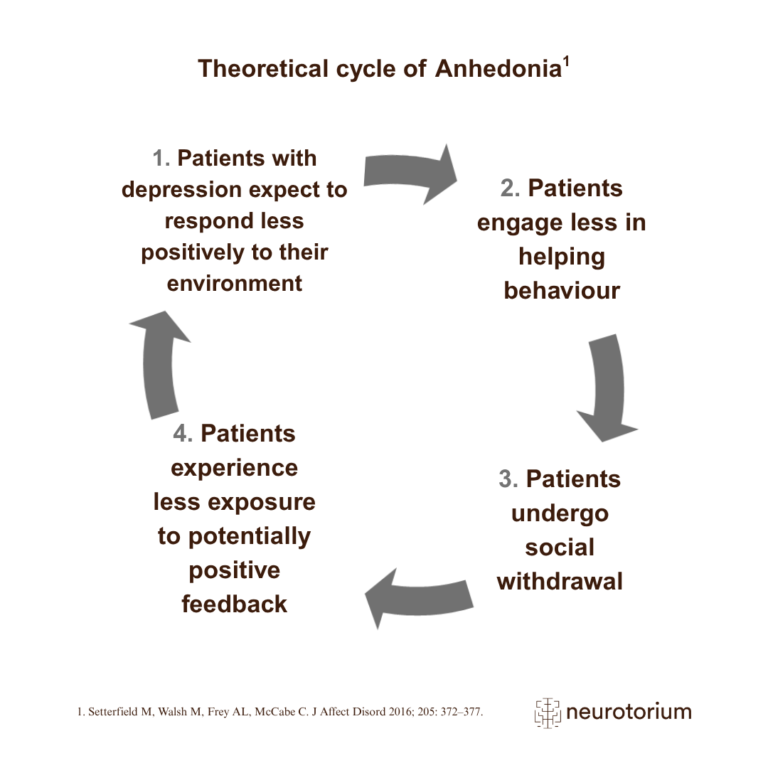
One hypothesis of the cycle of anhedonia (loss of interest or pleasure) in patients with depression is illustrated in this image; this hypothesis comes from a series of experiments performed on a sample of psychology students.
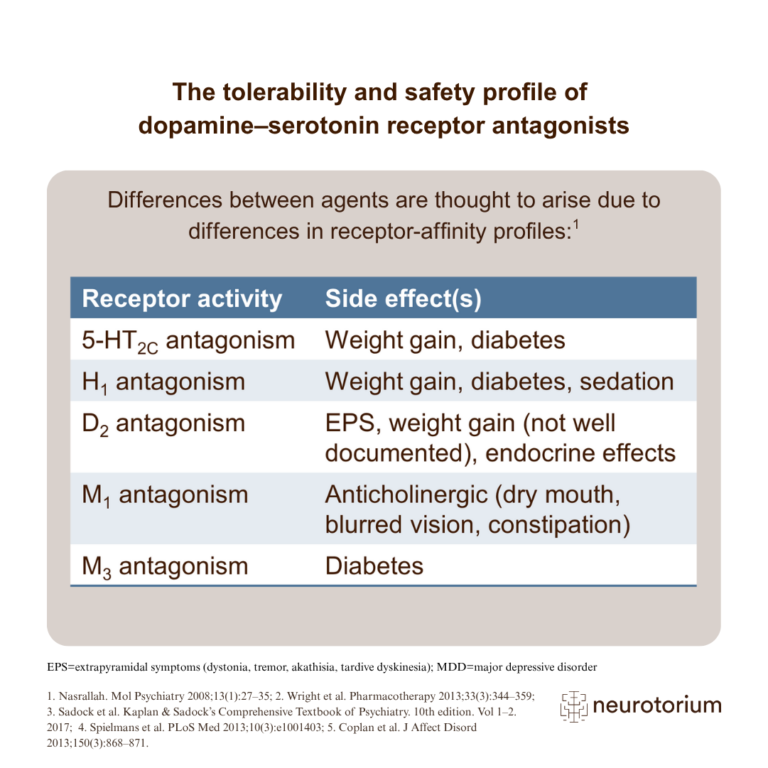
As adjunctive treatment in MDD, some dopamine–serotonin receptor antagonists are associated with sedating side effects, while others are more often associated with ‘activating’ side effects.