

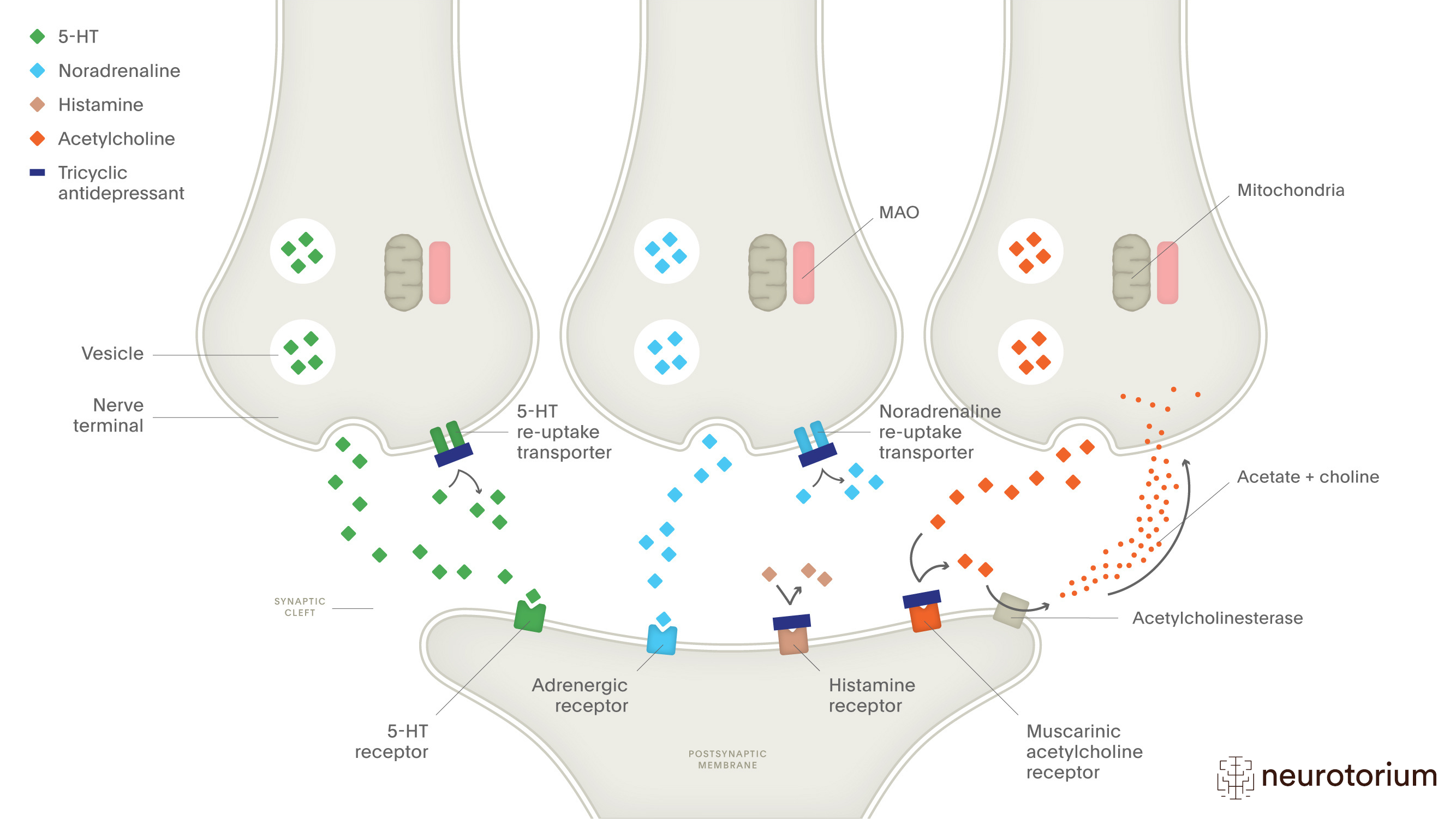
Tricyclic antidepressants (TCAs) are a group of drugs used to treat affective, or ‘mood’, disorders. Side effects of the TCAs include sedation, caused by histamine H1 receptor blockade; postural hypotension, due to α adrenoreceptor blockade; and blurred vision, dry mouth and constipation, due to muscarinic acetylcholine receptor blockade.1
Click here: Discover the role of tricyclic antidepressants in depression treatment
Related content
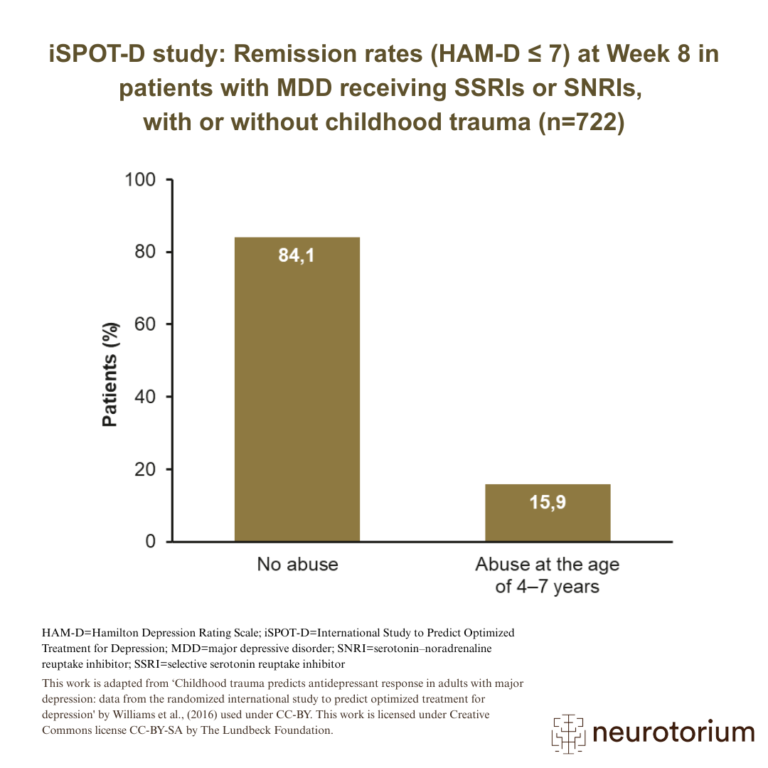
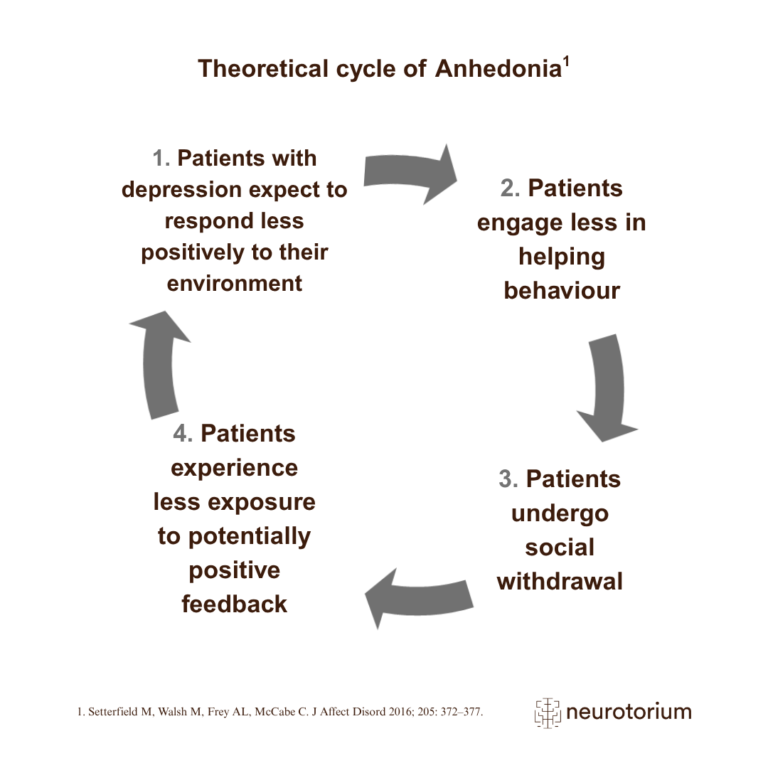
One hypothesis of the cycle of anhedonia (loss of interest or pleasure) in patients with depression is illustrated in this image; this hypothesis comes from a series of experiments performed on a sample of psychology students.
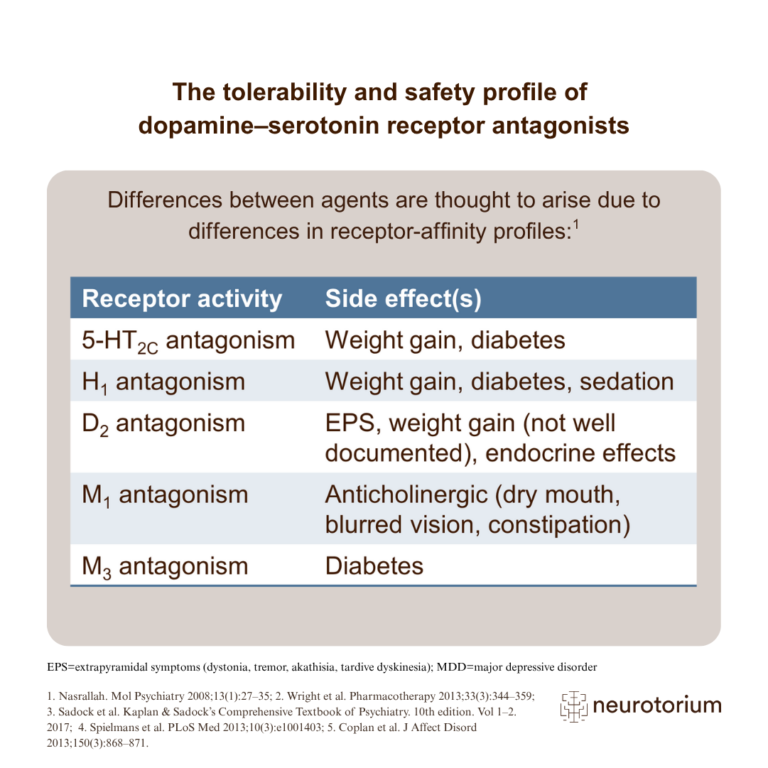
As adjunctive treatment in MDD, some dopamine–serotonin receptor antagonists are associated with sedating side effects, while others are more often associated with ‘activating’ side effects.