

In this video, Professor Dr. Brenda Penninx discusses the heterogeneity of major depressive disorder, with specific reference to immunometabolic depression. Major depressive disorder is a highly prevalent but heterogeneous condition, with different underlying causes, symptom profiles, and pathophysiology.
Immunometabolic depression, a subtype affecting 20–30% of patients, is characterised by symptoms like hypersomnia, increased appetite, and fatigue. Research suggests that these symptoms are driven by systemic inflammation and metabolic dysfunction, pointing to the potential of targeted treatments such as anti-inflammatory medications and lifestyle interventions.
Related content
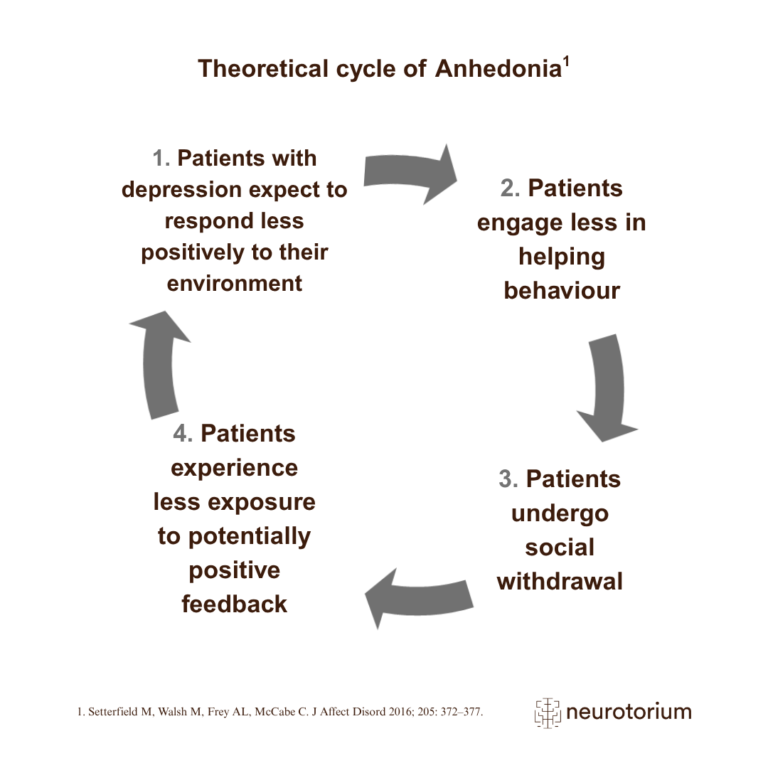
One hypothesis of the cycle of anhedonia (loss of interest or pleasure) in patients with depression is illustrated in this image; this hypothesis comes from a series of experiments performed on a sample of psychology students.
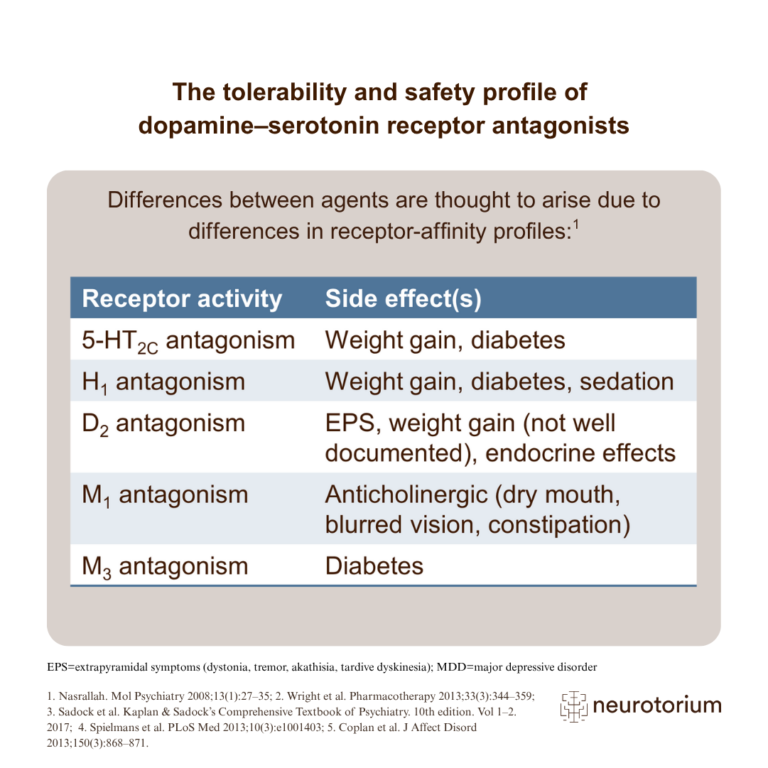
As adjunctive treatment in MDD, some dopamine–serotonin receptor antagonists are associated with sedating side effects, while others are more often associated with ‘activating’ side effects.